

Finding Strength in the Storm: Susan Frandsen’s Story
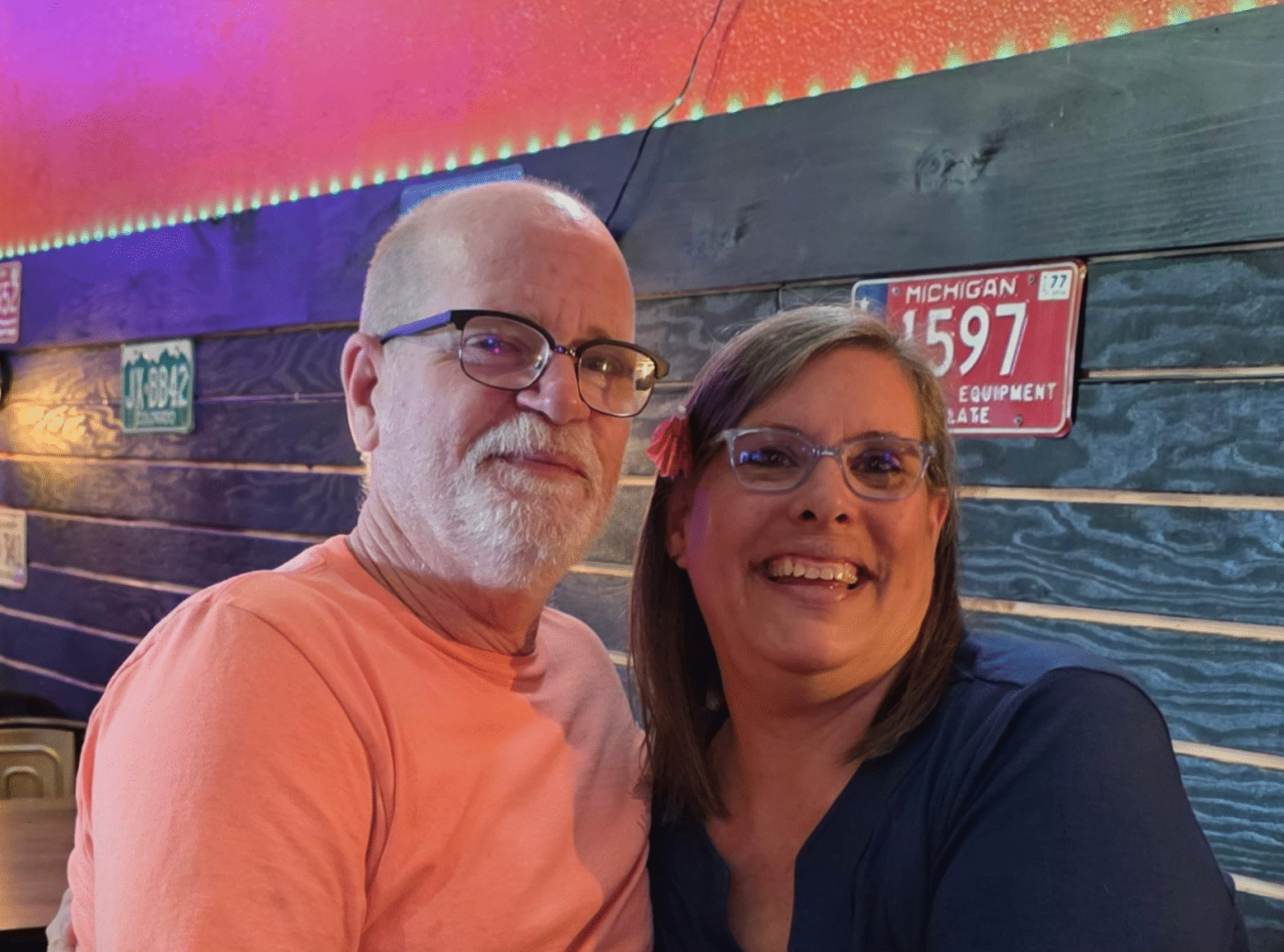
When Sue introduces herself, she does so with humility and quiet strength. Born and raised in Southern California’s San Fernando Valley, near Magic Mountain, her life’s journey has carried her through hardship, heartbreak, and healing. Today, she lives in Brookings, Oregon, where the ocean provides a steady rhythm of comfort. But the path to this peace has been anything but simple.
Sue grew up where abuse cast long shadows, both physically and mentally, leaving scars that shaped her life. “It wasn’t easy,” she admits. “I experienced a lot of pain growing up, and it’s complicated. Sometimes I don’t know how to feel about it, but it’s part of my story.”
She is a mother of two and a grandmother of five, and helped raise the kids, though distance and strained circumstances mean she rarely sees some of her family today. The pain of separation deepened during the COVID-19 pandemic, when her daughter lost custody of three children in a legal battle. “Not being able to see my grandkids until they’re 18—that breaks me,” Sue says quietly. “I just have to hold onto hope.”
Then came cancer. In 2023, doctors discovered calcifications that marked the start of her breast cancer journey. What followed were multiple surgeries, culminating in a double mastectomy in January. “I was terrified,” she recalls. “I’ve been through earthquakes, I’ve been through a house fire, but nothing shook me like hearing ‘you have cancer.’”
Reconstructive surgery remains a possibility, though travel and logistics have made her postpone that choice for now. “It’s a two-hour drive for appointments, and sometimes I just can’t do it,” she explains. You see, she has been on permanent disability from her job for more than 15 years.
Throughout it all, Sue leaned on her boyfriend, a close friend, and her daughter, who traveled long distances with her to appointments. Her loyal dog was also by her side. Sue says, “He’s part of my family. But I’ll tell you—if hospitals offered housing that was dog-friendly during treatment, it would make a world of difference for people like me.”
Her medical team offered light in dark moments. Her surgeon, in Grants Pass, provided not only exceptional skill but also compassion. “She was always there when I had questions,” Sue says with a smile. “I never felt alone with her.” Her nurse navigator helped her access financial aid through organizations like Pink Lemonade, ensuring she could manage transportation and other expenses to complete treatment. “Without my daughter and boyfriend, I don’t know how I would have made it through,” Sue reflects.
Even so, recovery has been layered with complexity. After her mastectomy, Sue struggled with body image, wishing she could be more active but often held back by self-consciousness. “I want to move, I want to feel like myself again,” she admits. “But some days I just look in the mirror and I don’t recognize the woman staring back.” A Facebook group for women with DCIS became a lifeline, connecting her with others who understood. “Those women get it,” she says. “They know the words I can’t always find.”
Her resilience extends beyond her own health. Sue worries for her 34-year-old daughter, who lacks health insurance. “I don’t want her to go through what I’ve gone through,” she says firmly. She is determined to help her daughter explore programs and preventive screenings.
Sue’s journey has also been shaped by homelessness. She, her boyfriend, and her daughter couldn’t pay rent at one point a few years ago, so they were evicted. They were without a place to live. They stayed at a truck stop parking lot in Castaic, California, making do with showers and microwaves for two years. “You learn to survive,” she says. “It’s humbling, but it also shows you how strong you really are.” Eventually, Sue and her boyfriend found their way north, first to Crescent City and then to Brookings, where the ocean now offers her a place to breathe. And her daughter lives with friends in West Virginia and has two jobs.
Looking back, Sue acknowledges the weight of carrying cancer, trauma, and homelessness all at once. “There were days I didn’t think I could do it,” she admits. “But then I’d tell myself: one step at a time, just one step. That’s how you get through.”
Her story is not only about survival but also about resilience, resourcefulness, and the power of community support. In sharing her journey, Sue gives voice to the realities many people face but few speak aloud—the fear, loneliness, financial strain, and courage to keep moving forward. “If my story can help even one person feel less alone,” she says, “then everything I’ve been through will mean something.” She looks forward to giving back when she is financially stable again.